
Why Is My Exterior Paint Peeling? 7 Causes (and How to Fix Them)
May 28, 2026
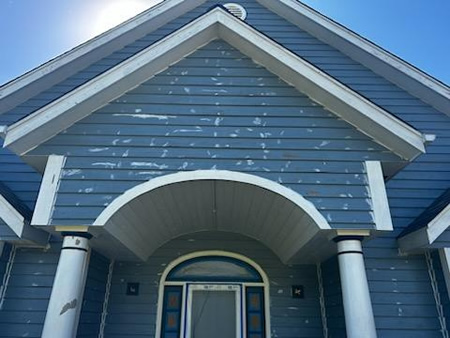
If your Milwaukee home’s paint is bubbling, cracking, or flaking, you are not alone. Lake-effect moisture, quick spring warmups, and icy winters are rough on siding and trim. Below are the seven most common exterior paint peeling causes we see locally, plus the professional path to a finish that lasts. When you are ready to stop repainting every few years, explore residential ceramic coatings that bond tight and flex with our changing Wisconsin seasons.
What Makes Exterior Paint Peel In Milwaukee, WI?
Homes from Bay View to Shorewood take a beating. Winds off Lake Michigan push moisture into small gaps, then freeze-thaw cycles pry the coating loose. Many houses also have older paint layers that were never properly removed or primed, which makes new coats fail faster.
- Frequent freeze-thaw cycles expand and contract wood and fiber cement.
- High humidity and wind-driven rain force moisture behind the coating.
- Strong sun on south and west walls cooks thin, low-grade paint.
If you are researching exterior paint peeling causes in Milwaukee, WI, you will see the same pattern: moisture, movement, and mismatched materials. The fix is not another thin coat. It is professional prep and a smarter finish that can stretch without cracking.
Cause 1: Moisture Getting Behind The Paint
Moisture is paint’s biggest enemy. Water sneaks in through hairline cracks, unsealed nail holes, failed caulk, and gaps at trim joints. In neighborhoods near the lake, wind-driven rain pushes that moisture deep into siding. When the sun hits, vapor pressure pushes the paint off the surface, creating bubbles and blisters.
The Pro Fix
A pro inspection tracks the leak path, repairs damaged wood, replaces failed caulk, and primes with a bonding, moisture-tolerant primer. Many Milwaukee homeowners then choose a ceramic coating system from Wisconsin Coating Professionals because the film builds thicker, resists water intrusion, and adheres tenaciously to properly prepared surfaces.
Cause 2: Poor Surface Preparation
Paint will not stick to chalky dust, mildew, loose fibers, or glossy old paint. Quick repaints that skip cleaning, sanding, or spot-priming often peel within a season. In older areas like Wauwatosa or West Allis, decades of layered coatings can hide weak spots that break bond the moment the weather swings.
The Pro Fix
Professional prep includes targeted removal of failed paint, substrate repairs, feather-sanding edges, and spot-priming bare or slick areas before finishing. Ceramic coatings benefit most from this level of prep. The result is a tighter mechanical and chemical grip that is designed to hold through Milwaukee winters.
Cause 3: Cheap Or Mismatched Paint
Low-solids paints leave a thin, brittle film. Interior products used outside break down fast. Even quality paint can fail if it is the wrong chemistry for the surface. Over old oil paint, for example, a standard latex may not bond unless special primers or transition steps are used.
The Pro Fix
Pros match the coating to the substrate and climate. Many homeowners choose modern ceramic coatings because they lay down a denser barrier that resists chalking and cracking. If you want to compare options side by side, you can review coating families on our products page and then discuss what will handle your home’s exposure best.
Cause 4: Wrong Temperature Or Humidity During Application
Coatings have a recommended temperature and humidity range. Painting too cold can stop proper curing. Painting too hot or in direct late-afternoon sun can flash-dry the surface and trap solvents beneath the skin. Milwaukee’s shoulder seasons swing fast, so yesterday’s suitable weather can turn today’s failure.
The Pro Fix
Mind the temperature window. A reputable exterior painting crew checks the dew point, surface temperature, shade patterns, and the extended forecast. With the right weather window, a ceramic system cures evenly and bonds better, which reduces the risk of future peeling.
Cause 5: Sun, UV, And Thermal Movement
South- and west-facing walls in neighborhoods like Whitefish Bay and Brookfield get stronger afternoon sun. UV breaks down cheap binders. Wood also expands and contracts as temperatures jump, which pulls apart thin, rigid films.
The Pro Fix
Choose coatings that flex with wood. Ceramic coatings from Wisconsin Coating Professionals create a flexible, high-build layer that moves with seasonal expansion and contraction. That flexibility keeps micro-cracks from starting and spreading.
Cause 6: Incompatible Layers And Old Residues
If you paint water-based over glossy oil without the right transition, the new film can sheet off in wide strips. Old residues like chalk, mildew, or hand oils on railings also block adhesion. In pre-1978 homes, legacy coatings may include lead, which requires special containment and cleanup by trained crews.
The Pro Fix
Pros test what is on the house, remove or stabilize failing layers, and apply specialty primers where needed. Once the base is sound, a ceramic topcoat provides extra insurance by gripping tightly to the prepared surface and sealing out the elements.
Cause 7: Age And Wear Over Time
Even a well-applied finish reaches the end of its life. High-traffic trim, sunny dormers, and weathered porch railings wear out sooner. When the film gets thin and brittle, hairline cracks let water in and the cycle restarts.
The Pro Fix
A thorough evaluation identifies which areas need repair, spot-priming, or full refinishing. Upgrading to a ceramic system can reset the clock with a thicker, more durable shell that is designed for Milwaukee’s four-season swings.
How Pros In Milwaukee Diagnose Peeling Quickly
Before recommending any solution, a skilled estimator checks the story behind the failure. It is a bit like detective work, and it focuses on cause, not just symptoms.
- Moisture mapping at seams, sills, and end grains
- Adhesion testing on representative wall sections
- Surface temperature and dew point checks before scheduling
- Primer and topcoat compatibility reviews
Want to dig deeper into coating science and preparation best practices? Browse our in-depth ceramic coating articles for more homeowner-friendly education.
Why Ceramic Coatings Make Sense In Milwaukee, WI
Traditional exterior paint can look good on day one, yet struggle after a few winters. Ceramic systems build a thicker film with tiny ceramic microspheres that help resist water, reduce heat absorption, and maintain color longer. On properly prepared surfaces, this creates a durable skin that is far less likely to peel when temperatures bounce from January’s single digits to July’s beach days at Atwater.
Two features matter most here in Wisconsin: superior adhesion and controlled flexibility. Adhesion keeps the coating locked to the siding. Flexibility lets it move as wood and trim expand or contract without cracking. Put together, they fight the two main enemies of a lasting finish in Milwaukee: moisture intrusion and seasonal movement.
When To Recoat And What To Watch Next Season
Plan inspections in spring and fall. Look closely at lower clapboards, window sills, end grains, and horizontal trim that catch snowmelt. If you spot fresh hairline cracks, small bubbles, or peeling around fasteners, call early. Small fixes now can prevent larger sections from failing after a harsh cold snap.
For homeowners comparing options, it can help to see the system approach in one place. Our team can explain substrate repair, primer selection, and the topcoat that makes sense for your exposure. Many of your neighbors have chosen ceramic finishes to extend repaint cycles and reduce maintenance headaches.
Your Next Step To Stop Peeling For Good
Never trap moisture under new paint. The sure path to a beautiful, lasting exterior is methodical prep followed by a coating engineered for our climate. If you are tired of scraping and spot-painting every season, read more about how residential ceramic coatings from Wisconsin Coating Professionals help homes around Milwaukee hold their color and resist peeling.
Ready For A Longer-Lasting Finish In Milwaukee?
Let an experienced exterior painting team evaluate your home, explain the cause, and recommend the right fix. You will get clear steps, an honest timeline, and a finish tailored to your neighborhood and exposure. To start, call 262-483-2566 or schedule a visit and learn how our residential ceramic coatings can protect your home season after season with stronger adhesion and flexible performance.