
Why Vinyl & Aluminum Respond Differently to Coatings
February 4, 2026
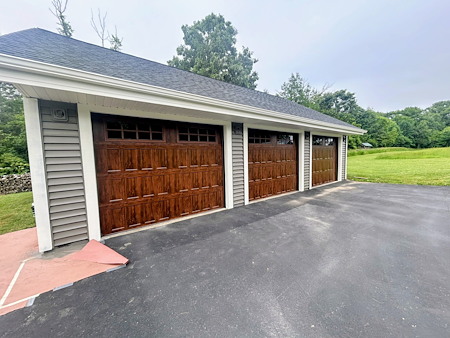
Milwaukee’s freeze–thaw cycles, lake winds, and sunny summers make exterior finishes work hard. If you’re weighing options for siding updates, it helps to know why vinyl and aluminum behave differently once a coating goes on. Pairing the right product and primer with the right surface is the difference between a finish that lasts and one that peels.
If your project involves railings, metal siding, or architectural panels, explore our protective metal coatings system. For a broader look at solutions and local results, start at our home base and learn more about metal coatings in Milwaukee, WI.
Milwaukee Weather and Why Substrates Matter
From Bay View to Brookfield, walls see quick temperature swings, road salt, and moisture. Those forces cause siding to move and challenge adhesion. Understanding the substrate helps you choose a coating built for real-world conditions.
How Vinyl and Aluminum Move
Vinyl Siding: Big Movers in Heat and Cold
Vinyl is a plastic, so it expands and contracts more with temperature changes. On a south-facing wall in July, panels grow; in January, they shrink. That constant motion stresses a rigid paint film.
Coatings for vinyl need flexibility and strong grip on a slick, lower‑energy surface. Color also matters because darker shades absorb more heat, increasing movement. Choosing flexible coatings and heat-smart colors prevents stress and early failure.
Aluminum Siding: Stable, But Prone to Oxidation
Aluminum doesn’t move as much as vinyl, but it oxidizes. That chalky film is normal weathering and must be addressed before any coating can bond well. On older Milwaukee homes in Shorewood or Wauwatosa, you can spot a white residue when you rub the surface.
Once cleaned and primed correctly, aluminum is an excellent candidate for long-lasting finishes. The right metal system resists moisture and blocks future corrosion.
Primer Choice That Makes or Breaks the Job
Primer isn’t a “nice to have.” It’s the bridge between your siding and the finish coat. Different surfaces need different chemistry, which is why we match the primer to the substrate, age, and exposure.
- Vinyl: Look for primers or bonding systems that adhere to lower‑energy plastics and flex with seasonal movement.
- Aluminum: A metal-friendly primer locks down residual chalk and improves corrosion resistance on edges and seams.
For a deeper look at options, review our primer options and how they support a durable topcoat on mixed materials.
Why Rhino Shield Helps in Southeast Wisconsin
Rhino Shield isn’t a thin, rigid paint. It’s an elastomeric ceramic system built to stretch, seal hairline movement, and hold color. That extra film build and elasticity help surfaces ride out windy spring storms and bitter February nights along Lake Michigan.
Proper surface prep, primer pairing, and film thickness are non‑negotiable for longevity. Our process focuses on those steps so the topcoat can do its job year after year.
Color Selection: A Small Choice With Big Effects
Color choice affects heat gain. On vinyl, very dark colors can absorb more sun, raising panel temperatures and movement. High‑reflectance or ceramic-infused finishes help manage that load while keeping your color true.
Aluminum gives you more freedom with deep hues because the metal handles heat better and the right primer reduces expansion-related stress. When in doubt, pick colors designed for the substrate and sun exposure on each elevation.
Common Milwaukee Trouble Spots We See
- North walls in Whitefish Bay that stay damp and chalk quickly.
- South and west elevations in Brookfield with UV fade and heat stress.
- Lakeside properties in the Third Ward with wind-driven rain at panel edges.
- Garage bump-outs where snow piles and meltwater attack lower courses.
Each of these conditions pushes coatings in a different way. The system must match the site as much as the siding.
How We Evaluate Your Siding
We start by confirming what you have and how it’s aging. Vinyl may show panel shift or minor warping. Aluminum often shows oxidation or small dents from years of service.
Skipping compatibility checks can lead to peeling, color distortion, or panel stress. That’s why our team inspects exposure, previous coatings, and joint details before recommending a system.
Our Coating Approach for Vinyl vs. Aluminum
Vinyl Siding Approach
We focus on flexibility, adhesion to lower‑energy surfaces, and color strategy. The goal is a finish that can move with the panel without cracking or gloss loss. Where walls see the most sun, we emphasize heat‑smart options that keep surface temperatures steadier.
Aluminum Siding Approach
We address oxidation, reinforce edges, and prime for corrosion control. After that, a ceramic elastomeric finish helps bridge micro-movement and sheds moisture. The result is a smooth, long‑wearing surface that resists chalking and keeps color longer.
Milwaukee Timing: When Projects Go Smoothly
Late spring through early fall typically offers the best windows for exterior work in Milwaukee. Nights stay warmer, humidity moderates, and cure times are more predictable. In shoulder seasons, we watch the nightly lows so the system cures as designed.
If you’re near the lake, winds can shift conditions quickly. Inland neighborhoods like Menomonee Falls or Sussex often enjoy steadier afternoon temps.
Where Ceramic Systems Outperform Traditional Paint
Traditional paints are thin and can turn brittle with time. That’s when cracking and edge peel start. Ceramic elastomerics build a thicker, more flexible film that helps seal hairline movement and reduce water entry.
Homeowners choose these systems to cut repaint cycles and maintain curb appeal. If you’re comparing options, our metal coatings page shows how the system protects metal features and mixed-material exteriors across Greater Milwaukee.
Signs You’re Ready for a Pro Evaluation
Not sure if your home needs attention now or later? These signs signal it’s time to talk:
- Persistent chalking on aluminum that returns soon after cleaning.
- Vinyl panels that show heat distortion or frequent joint movement.
- Stained seams or peeling around fasteners and trim.
- Noticeable color fade on sun‑exposed walls within just a few seasons.
You don’t have to diagnose the cause yourself. Our team will confirm the substrate, exposure risks, and the right primer and topcoat pairings.
Dig Deeper Into Process and Options
Want more background before you decide? Browse our recent coating articles for quick reads on seasonality, prep, and product differences. These guides explain what matters in our climate and how a flexible ceramic system holds up across Milwaukee neighborhoods.
Next Steps for Your Home
If you’re comparing finishes, think about movement, primer compatibility, and color strategy. Vinyl and aluminum can both look great for years when the system matches the surface and the weather it faces. With the right plan, you get fewer repaints and steadier curb appeal.
Ready To See What’s Possible?
Talk with Wisconsin Coating Professionals about your siding, exposure, and goals. We’ll recommend a system that balances flexibility, adhesion, and color hold for Milwaukee’s climate. To get started in Milwaukee, call 262-483-2566 or learn more on our metal coatings page.