
Can You Paint a House Exterior in Cold Weather? What Wisconsin Homeowners Need to Know
July 1, 2026
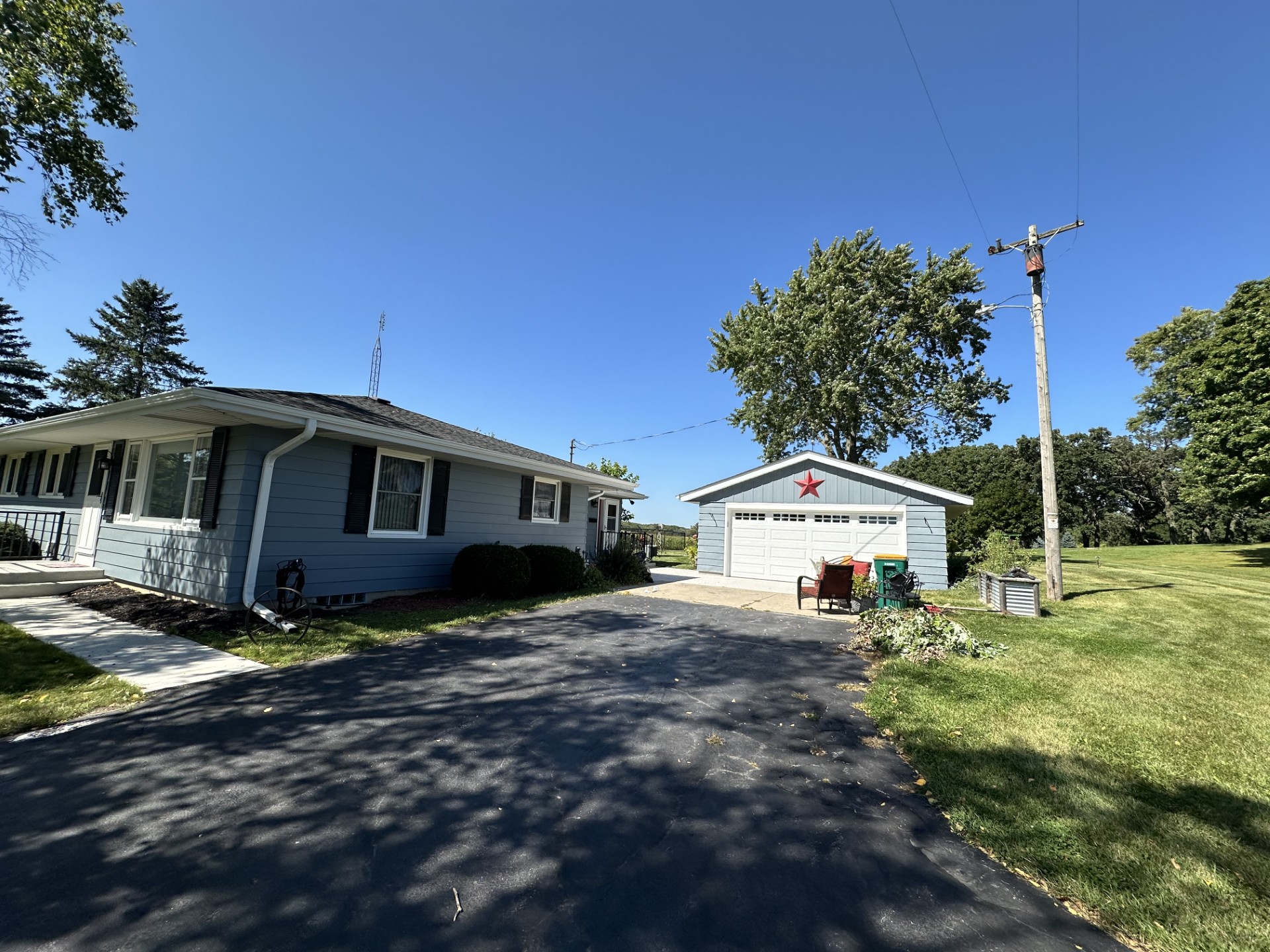
If you’re weighing an exterior update during a chilly stretch in Milwaukee, WI, the short answer is yes, it’s possible in limited windows, but only when conditions are right and products are designed for it. For most projects, you want 50°F or warmer air and surface temps, with steady conditions as the coating cures. That is why many homeowners look to pro-installed residential ceramic coatings that are planned around Wisconsin weather instead of rushing a paint job that might fail.
Below, we’ll explain how temperature, humidity, and overnight lows affect adhesion, why timing matters so much in neighborhoods like Bay View, Wauwatosa, and Whitefish Bay, and how Wisconsin Coating Professionals schedules Rhino Shield systems to perform through all four seasons.
Can You Paint a House Exterior in Cold Weather in Milwaukee, WI? The Short Answer
Most exterior paints and coatings need stable, above-50°F conditions to bond and cure as designed. Wind off Lake Michigan can make a sunny afternoon feel workable, but if the wall surface is cold or if overnight lows drop too far, you risk film failure. Always watch overnight lows and the dew point, since condensation can form on siding around sunset and again at dawn. When in doubt, a professionally scheduled coating window beats gambling on a one-day warm-up.
If durability is your goal, consider a planned coating system instead of a quick repaint. Learn what goes into our Milwaukee-focused approach on our page for residential ceramic coatings.
What Temperature Counts as Too Cold in Milwaukee?
On the North Shore or along the East Side, a 52°F afternoon can drop to the low 40s after sunset. That swing matters. Coatings need a safe buffer above their minimum temperature as they dry, plus several dry hours before evening moisture returns. In practical terms for our area, pros look for daytime highs in the 50s with no freeze risk in the next 24 to 48 hours, and surfaces that are actually reading warm enough, not just the air.
- Air and surface should both be within the product’s recommended range, not just one or the other.
- Humidity and dew point must be low enough to prevent condensation while the coating sets.
- Shaded walls and north elevations stay cooler; they often need extra time in early spring and late fall.
Why Rushing a Cold-Weather Exterior Job Backfires
Cold, damp, or fast-changing conditions make coatings cure slowly and bond poorly. That leads to problems you may not see for months:
- Peeling and early cracking where the film never anchored to the substrate
- Blushing or cloudy patches from trapped moisture
- Lap marks and uneven sheen when sections dry at different rates
- Surfactant leaching and stains on trim after a cold, damp night
In Milwaukee, freeze-thaw cycles pry at weak films. A hurried weekend repaint in Riverwest or West Allis can look fine at first, then lift after winter. Rushing cold jobs nearly always costs more over time.
How Wisconsin Weather Shrinks the Painting Window
Our climate stacks the deck. Spring storms, lake-effect wind, late-day temperature drops, and short fall daylight create narrow work blocks. Brookfield and Waukesha often see bigger day-to-night swings than homes near the lake, which adds planning hurdles. That is why Wisconsin Coating Professionals builds projects around forecast trends, not just a warm afternoon.
Local insight: A mild afternoon does not guarantee safe conditions. In April and October, Milwaukee overnights can slide below the product minimum and undo daytime progress. Waiting for a stable, multi-day window protects your finish and your schedule.
Your Better Option: A Scheduled, Pro-Installed Ceramic Coating
Rhino Shield systems are designed for durability and long service life, which is why homeowners across Shorewood, Glendale, and Bay View choose them when they’re ready to stop the repaint cycle. A successful install still depends on correct timing and prep. Our crews check substrate temperature with IR thermometers, watch dew point and wind, and sequence walls to catch the warmest part of the day. When the plan calls for it, we pair the finish with the right underlayment from our rhino shield primers line, then lock in color and durability with ceramic elastomeric top coats.
Smart Timing Plan for Milwaukee, WI Homes
We schedule work when the forecast offers steady, above-minimum temps, lower humidity, and enough dry time before dusk. In practice, many whole-home projects land in late spring or early fall. Shoulder seasons can still work when a stable warm stretch appears. The key is a flexible schedule and a local team that knows how fast conditions can flip along Lake Drive or in Menomonee Falls.
Want a deeper dive into longevity in cold climates? This read compares options for our winters: ceramic coating vs exterior paint.
What We Check Before, During, and After Application
Great results start with disciplined prep and onsite checks. You won’t see guesswork on your job. Our Milwaukee crews document conditions and match products to the surface so your finish holds through snow, sun, and spring thaw.
- Surface prep and repairs to create a clean, stable substrate
- Moisture, temperature, and dew point checks at each elevation
- Primer selection tuned to wood, fiber cement, stucco, or metal
- Application sequencing that chases warmth and sunlight around the home
If you’re comparing approaches, it helps to see what a coating system is designed to do across seasons. That’s why many homeowners start at our overview of residential ceramic coatings and then plan the steps in the right weather window.
Milwaukee Neighborhood Examples and Real-World Conditions
Homes in Bay View and St. Francis face heavy lake wind and early evening cool-downs. Whitefish Bay and Shorewood can sit in a fog bank that keeps surfaces damp till midday. Further west in Brookfield and Waukesha, big day-night swings test flexibility and adhesion. The system has to move with the wall and seal out water. Choosing a coating that can flex through freeze-thaw is essential, especially on south and west walls that bake in July then freeze in January.
Answers To Common Concerns From Wisconsin Homeowners
Will an exterior project run into bad weather? It can, which is why planning beats speed. We track fronts and humidity so your wall is coated at the best moment, not the fastest. What about color? Rhino Shield systems provide a wide palette while building a thicker film than standard paint. Concerned about routine repainting? The goal is fewer ladders and longer intervals between maintenance so your home looks great from spring through winter.
For more context on how coatings behave on different surfaces here, this article explains why materials matter: why vinyl and aluminum respond differently to coatings. It’s a helpful look at what your siding faces in our climate.
Ready To Protect Your Milwaukee Home The Right Way?
The safest path to lasting results in our climate is a pro schedule, the right products, and a crew that knows the local weather. If you want a finish that stands up to Lake Michigan winds and spring storms, talk with Wisconsin Coating Professionals. Call us at 262-483-2566 and we’ll map out a weather-smart plan for your home. You can also get familiar with our system by visiting our page on residential ceramic coatings before we finalize timing.
If you’re researching, you can learn more about can you paint a house exterior in cold weather in Milwaukee, WI and how a proper schedule changes outcomes. When it’s time to move forward, our team will guide you from product selection to a clean, on-time finish that is built for Wisconsin seasons.
Bottom line: Milwaukee exteriors live through four true seasons. Schedule early to secure the right weather window, then let a local pro apply a coating system that is made to last.